In short: A hybrid production isn't real footage with an AI filter on top, and it isn't an AI generation with a few real inserts for credibility. It's a deliberate split: real actors, real locations, and real light do the work only they can do — carrying emotion, texture, and believability — while AI extends, dresses, and scales what's around them. Done right, the client gets the scope of a big-budget shoot at a fraction of the cost and timeline.
What "hybrid" actually means in practice
The term gets used loosely, so it's worth being precise. A hybrid workflow is not a spectrum from "mostly real" to "mostly AI" — it's a deliberate decision about which parts of a shot require a real camera and which parts don't.
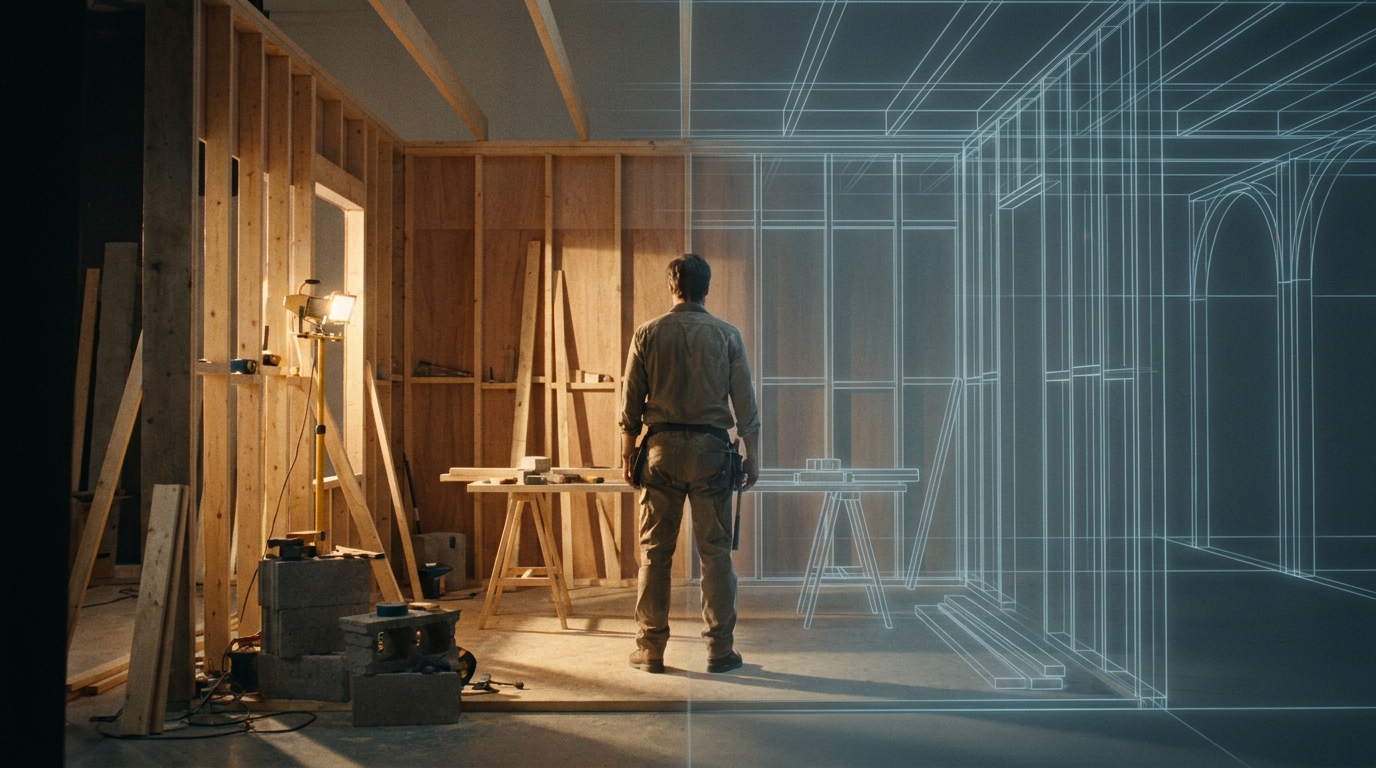
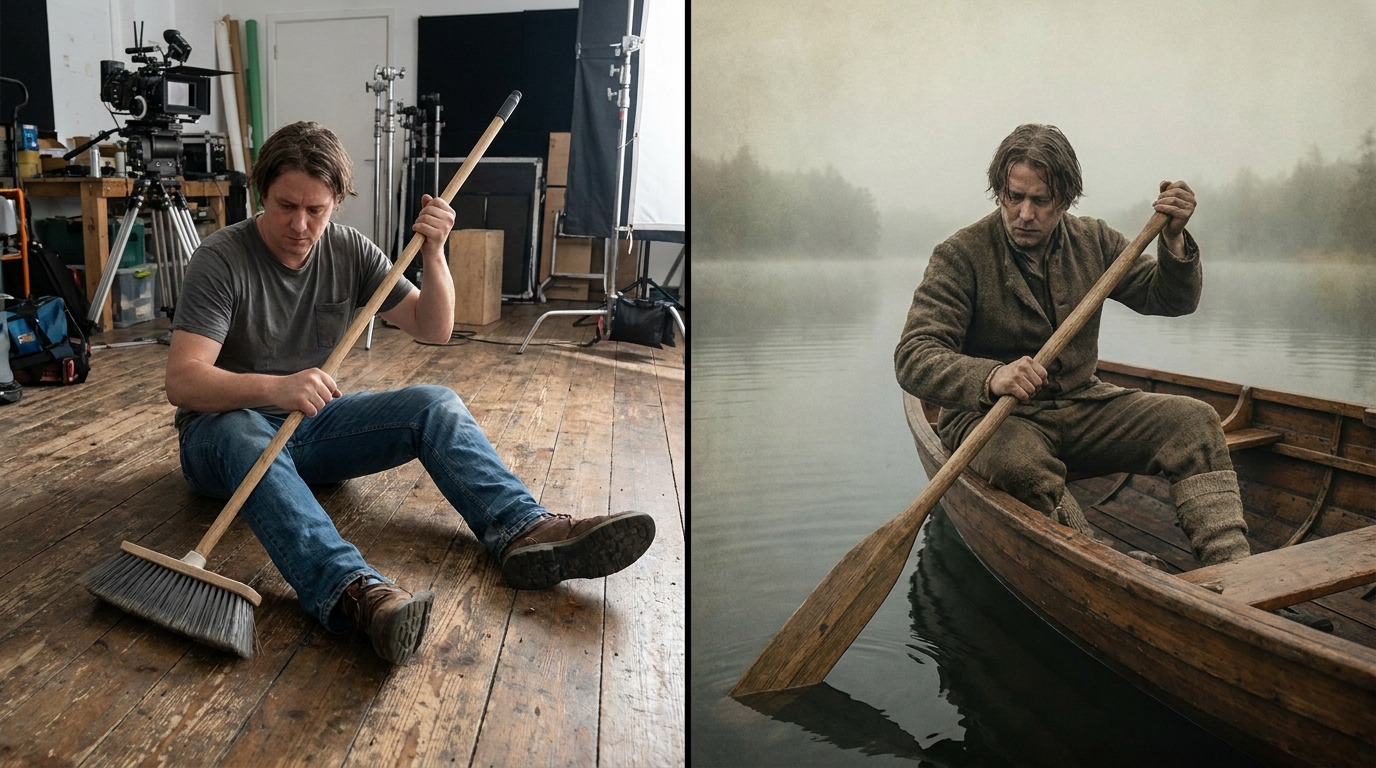
The clearest version of this comes from vertical drama production, where the model is now standard: film real actors delivering real performances against a clean, simple set, then use AI to generate the environment, lighting context, and background depth the scene actually needs. The performance stays human. The world around it gets built, extended, or replaced with AI — because environment generation is exactly the kind of work AI is currently strongest at, and exactly the kind of work that used to require the most expensive part of a traditional shoot: a full location, a full art department, or a full set build.
This is also why hybrid isn't a downgrade from a "real" production. Industry guidance for professional AI-assisted workflows is explicit that combining traditional cinematography with generative AI is what maintains high visual fidelity — not one replacing the other, but each doing the part it's actually good at.
How this studio blends Brazilian B-roll with AI-generated elements
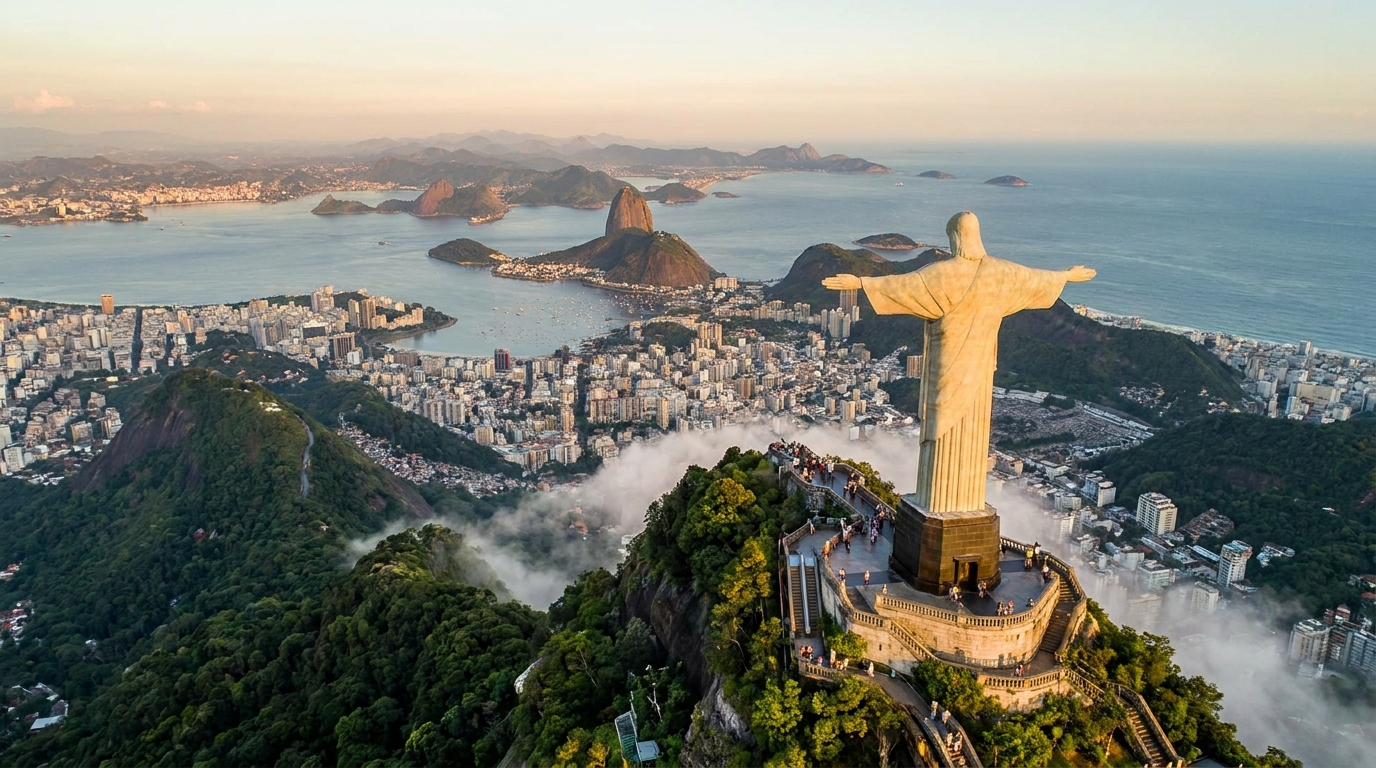
In practice, a hybrid deliverable starts exactly where Article 1 in this series left off: with real, high-quality capture — actors, locations, light, texture, shot on the ground in Brazil. That footage is the anchor. Everything AI touches afterward is built to serve it, not replace it.
From there, AI-generated elements get layered in for specific, targeted jobs:
- Environment extension. A location shot on a modest set or a partial backdrop gets extended into a full, believable world — an interior becomes a full building, a street corner becomes a full city block — without the cost of dressing or renting the real thing.
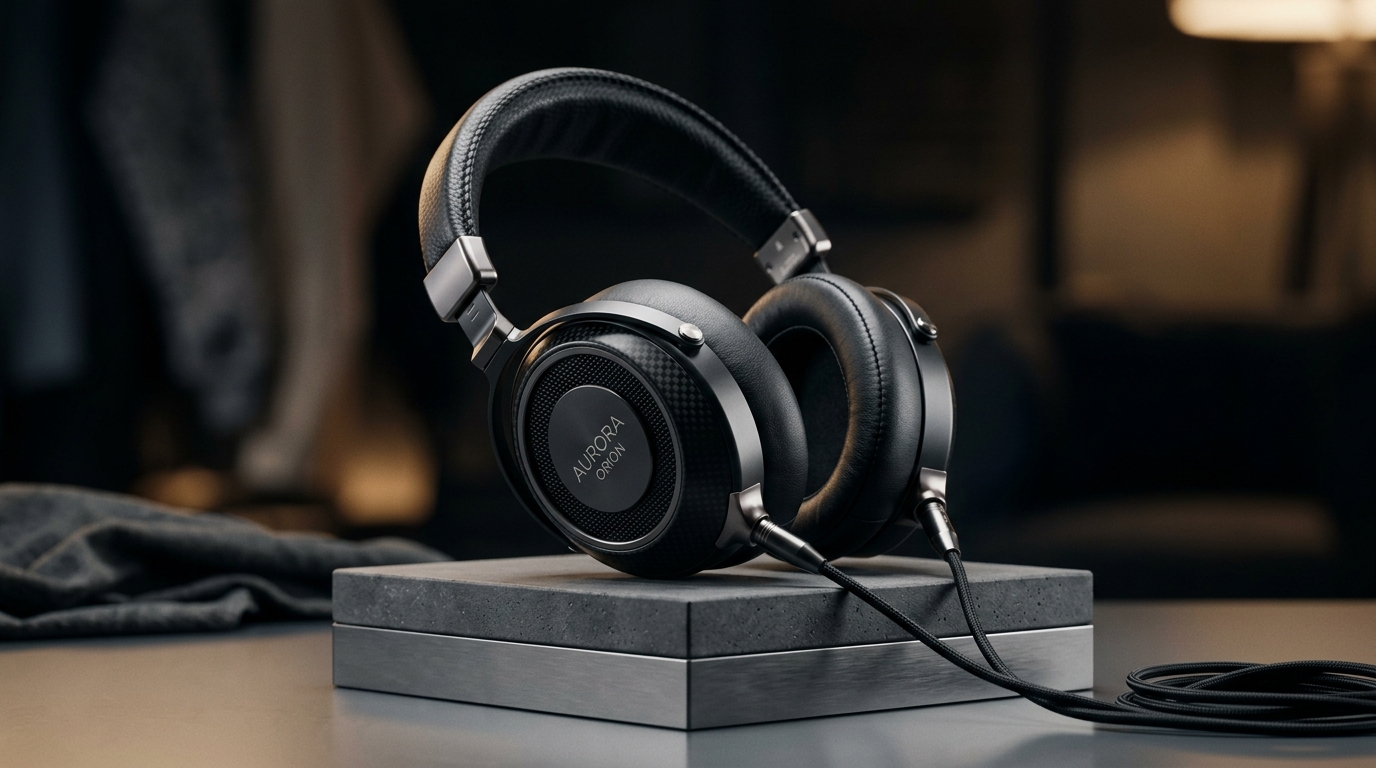
- Texture and mockup generation. Product packaging variants, seasonal dressing, or region-specific signage can be generated and composited onto real footage, so one shoot produces assets for multiple markets without reshooting for each one.
- Establishing shots and transitions. Cinematic wide shots that would normally require a second unit, a drone permit, or a second travel day can be generated to bridge real footage sequences, keeping pacing cinematic without inflating the schedule.
- Lighting and mood layers. Atmosphere — fog, golden hour glow, rain on a window — can be added or adjusted in post without waiting for the right weather on the actual shoot day.
None of this touches the parts of the frame that carry emotional weight: faces, hands, product demonstrations, real human interaction. That's a deliberate line, not a limitation. The strongest current thinking on AI-assisted marketing content is to keep AI in the "environment" and "mood" role specifically, while keeping product demonstrations and human moments grounded in real, filmed footage — because that's what protects a brand from the trust erosion that comes with content that reads as synthetic. A hybrid workflow isn't about how much AI is used. It's about using it exactly where it strengthens the shot and nowhere it would weaken it.
The cost and timeline case
The business case for hybrid production is straightforward once you see where the savings actually come from. Environment generation — building the world around a real performance — is where the traditional budget line items pile up fastest: additional locations, travel days, set construction, permits, art department labor. Replacing that part of the process with AI-assisted generation is what makes the biggest dent in both cost and schedule, without touching the parts of the production that need to stay human.
Teams running structured AI-assisted workflows report meaningful reductions in the concept-to-final-cut timeline, largely from automating exactly the labor-intensive tasks — environment build, background work, iteration on establishing shots — that used to eat the most calendar days without adding to what a viewer actually remembers about a spot. The output isn't a cheaper-looking version of a big production. It's the same visual scope, delivered on a schedule and budget that a fully practical shoot couldn't match.
What to expect from a hybrid deliverable
For a marketing team briefing this kind of production, hybrid means:
- A real shoot, on real locations, with real talent — not a fully synthetic production wearing a documentary filter.
- AI-generated environments, extensions, and mockups layered in specifically where they save cost or unlock scale, always reviewed against the same critical eye described in Article 2 of this series.
- A final deliverable that can still be re-cut and adapted the way raw footage can — because the real capture underneath it never stops being genuinely real.
This is the same principle that runs through this entire series: authenticity as the foundation, craft as the filter, and AI as the tool that lets both scale further than a traditional shoot alone ever could.